
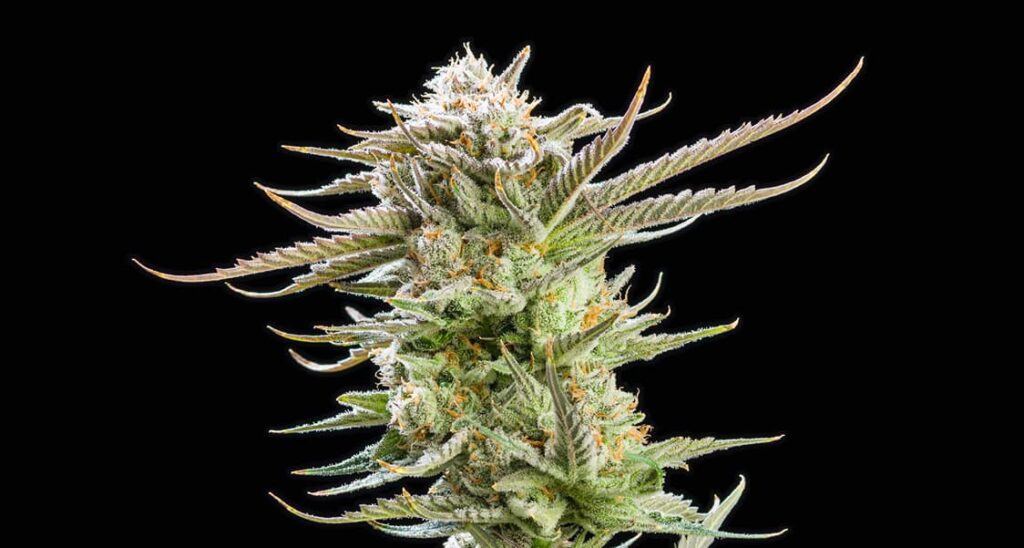
Cannabis product labels can contain a variety of terms that help describe genetics, composition, and product characteristics. For shoppers becoming familiar with the market, the traditional Sativa vs Indica distinction is often one of the first classifications they encounter. Understanding what these labels mean, alongside terms related to cannabinoids, terpenes, cultivars, and product formats, can make cannabis terminology easier to read and provide a clearer picture of individual products.
Contents
- Why Do Cannabis Products Use Category Labels?
- What Does a Sativa Label Tell You?
- What Does an Indica Label Represent?
- How Are Hybrid Products Described?
- What Is a Cultivar on a Cannabis Label?
- How Should THC and CBD Information Be Read?
- What Does a Terpene Profile Explain?
- Why Can Two Products With the Same Label Look Different?
- What Does “Dominant” Mean on a Product Label?
- How Do Product Formats Affect Label Information?
- How Can Shoppers Interpret Cannabis Labels More Effectively?
- Why Is Cannabis Terminology Becoming More Detailed?
- Conclusion
Why Do Cannabis Products Use Category Labels?
Category labels provide a quick way to communicate broad information about a cannabis variety. Sativa and indica are traditional classifications historically associated with different plant structures and genetic backgrounds.
Sativa is generally connected with taller plants and narrower leaves, while indica is traditionally associated with shorter plants and broader foliage. These descriptions provide general context, although modern cannabis genetics can contain characteristics from multiple lineages.
What Does a Sativa Label Tell You?
A sativa label generally indicates that the product is associated with genetics traditionally classified as sativa. The underlying plants are commonly recognized for taller growth, narrower leaves, and a more open structure.
When this term appears on flower or another cannabis product, it provides a broad genetic reference. More detailed information about the specific cultivar can reveal additional characteristics that the category label does not communicate.
What Does an Indica Label Represent?
An indica label traditionally points toward cannabis genetics associated with compact plant structures, broader leaves, and dense growth.
These characteristics are commonly used to distinguish traditional indica plants from their sativa counterparts. On a product label, however, the term should be viewed as a broad classification rather than a complete description of the product’s chemical or sensory profile.
How Are Hybrid Products Described?
Hybrid is another common term shoppers may encounter. It generally describes cannabis varieties created by combining genetics from different lineages.
Hybrid products can display characteristics associated with both traditional classifications. Some may lean toward one genetic background, while others contain a more balanced combination of traits. This makes hybrid terminology particularly relevant in today’s diverse cannabis market.
What Is a Cultivar on a Cannabis Label?
Cultivar refers to a cultivated plant variety selected for particular genetic characteristics. Product labels may include a cultivar name to identify the specific variety used.
This information can provide greater detail than a broad sativa or indica classification. Genetics can influence appearance, aroma, terpene production, cannabinoid composition, and other characteristics.
How Should THC and CBD Information Be Read?
THC and CBD are two of the most widely recognized cannabinoids in cannabis. Product labels may display their percentages or concentrations to provide measurable information about the product.
These values can vary among products within the same traditional category. Reviewing cannabinoid content alongside the category label gives shoppers a more detailed understanding of the product’s composition.
What Does a Terpene Profile Explain?
Terpenes are naturally occurring compounds that contribute to cannabis aroma and flavor. Product descriptions may identify specific terpenes or summarize the dominant aromatic characteristics.
Limonene, myrcene, pinene, and caryophyllene are examples commonly associated with cannabis. Their different combinations can create profiles featuring citrus, fruit, earth, pine, floral, herbal, or spicy notes.
Why Can Two Products With the Same Label Look Different?
Traditional classifications do not determine every physical feature of cannabis. Genetics, growing conditions, harvesting, drying, and curing can all influence the finished product.
Two products categorized as indica, for example, may have noticeably different flower structures, colors, aromas, and cannabinoid or terpene profiles. The same principle applies to sativa and hybrid products.
What Does “Dominant” Mean on a Product Label?
Terms such as sativa-dominant or indica-dominant are commonly used to describe hybrid genetics that lean toward one traditional classification.
A dominant label does not necessarily mean a product contains only one genetic influence. Instead, it provides a broad indication of which traditional characteristics are more strongly represented.
How Do Product Formats Affect Label Information?
Cannabis labels can differ depending on the product format. Flower may include information about cultivar, cannabinoids, terpene profiles, and weight. Pre-rolls can include similar information, while concentrates may place greater emphasis on cannabinoid concentration and terpene content.
Edibles and other formulated products may provide additional details such as ingredients, serving information, and total cannabinoid amounts.
How Can Shoppers Interpret Cannabis Labels More Effectively?
The best approach is to consider the complete label rather than focusing on one term. Traditional category, cultivar, cannabinoid content, terpene profile, product format, aroma, and other available details can work together to create a fuller product description.
This approach is especially useful as modern breeding continues to expand the range of cannabis varieties available to consumers.
Why Is Cannabis Terminology Becoming More Detailed?
The cannabis market has developed alongside advances in breeding, cultivation, testing, and product development. As the range of available products has expanded, labels have increasingly provided more detailed information.
Traditional classifications remain a familiar starting point, while cultivar names, cannabinoid percentages, terpene profiles, and product specifications offer additional layers of information.
Conclusion
Understanding cannabis labels begins with recognizing familiar classifications such as sativa, indica, and hybrid. Sativa traditionally describes taller plants with narrower leaves, while indica is associated with shorter, compact structures and broader foliage. However, modern products contain much more information than these categories alone. By examining cultivar names, cannabinoid levels, terpene profiles, product formats, and other label details together, shoppers can gain a clearer understanding of the diverse cannabis products available today.
Quick Summary
- Cannabis product labels can include terms related to genetics, cannabinoids, terpenes, cultivars, and product formats to help consumers understand product characteristics.
- Sativa and indica are traditional classifications that describe cannabis plant structures, with sativa generally indicating taller plants and indica denoting shorter, bushier plants.
- Hybrid products can possess traits from both sativa and indica classifications, indicating a combination of genetic backgrounds.
- Cultivar refers to a specific cultivated variety of cannabis chosen for unique genetic characteristics and is more informative than broad classifications.
- Product labels often display percentages of THC and CBD to inform consumers about the cannabinoid content, which can vary within the same category.
- Terpenes contribute to the aroma and flavor profile of cannabis products and are detailed on labels to enhance understanding of the sensory experience.
